Saturday, May 29, 2010

more color coming


Typical vintage yukata cotton is indigo and white. In the hippy days of the 60s and 70s things starting getting more colorful—all around the world.

I just bought these hand-dyed fabrics from an “antique” shop in Osaka. They're on the slow boat and should arrive in Seattle mid-July.

Tuesday, May 25, 2010

museum store test


I am sending off ten yards of assorted yukata cotton to test in the La Conner Quilt Museum store. With its major biennial Japanese show at the end of June, the fabrics might be a perfect fit—especially since half the proceeds support the museum.

The hang tags, with different photos on the back of each, were printed with MooCards.com.

Sunday, May 9, 2010

mother’s day gifts


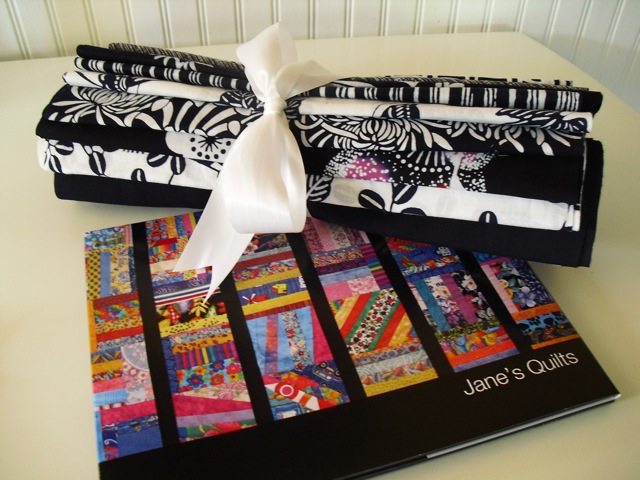
For my mom, I made a photo book of her quilts and a kit of yukata cottons. I selected ten bolts that looked good together, cut off two yard pieces, then washed and pressed the fabric for immediate usage.

Sunday, April 18, 2010

complimentary yukatas

The Katsuraro Annex, a ryokan near Ueno Park in Tokyo, is a hidden treasure. It’s a favorite of Europeans on a budget. When Michael and I stayed there, we chose a room with a bath for $125/night. Continental breakfast ($8) and bicycles ($2/day) were additional.

Don’t expect any furniture in your room besides two futons on the floor. Do expect two crisply pressed yukatas.

Thursday, April 15, 2010

asakusa shopping, tokyo


Just outside the Thunder Gate of Sensoji, Tokyo’s oldest temple, is a street of open stores called Nakamise. At a busy store filled with kimono, I bought a XXL yukata for Chef William of Bakery Nouveau in West Seattle. The white cotton fabric is adorned with squatting sumo wrestlers in indigo blue. Although the shopping area is definitely a tourist trap, it’s always fun to interact with Japanese store owners.

Saturday, April 3, 2010

check out j list

Porcelain Lucky Cat with manpuki (“full of happiness”) written on tummy, with newest vintage yukata fabric as background.

Irresistible is a great way to describe this Japanese Lucky Cat. I begged it off my friend Dick Worthington who bought it on jlist.com. A great site for all things Japanese, be forewarned that jlist.com is R-rated. (Some anime characters can be very risque!)

Saturday, March 20, 2010

dogo hot springs, japan


Michael and I were in Matsuyama visiting friends. Our second exchange student Mamika and her parents hosted us at Dogo Hot Springs, heralded as the oldest hot springs in Japan. The venerable 1894 building was huge and impressive with its Sansoro-style roof.

Mamika’s family rented a private room where we changed into supplied yukatas. We dipped in the renowned Bath of the Spirits as well as a large public bath filled with local elderly ladies. Afterward we cooled down with tea and bothchan dango.

The Hot Springs is such an integral part of the town that many visitors walk out and about in their yukatas and then head back in for another bath. It’s a little like bikinis being worn as street wear in Venice Beach, CA.

Friday, March 19, 2010

no washing day blues

I have successfully washed six one-yard lengths of the yukata cotton together. This test was in my front-loading washing machine with Trader Joe concentrated clothes detergent and warm/cold water on a casual cycle.

The result: no running or offsetting of the indigo dyes! And the piece with the white background stayed pristine.

The hand of the washed cotton surprised me. Once ironed it was crisp and cool, not soft and limp. As far as I can see, the direct iron did not make the fabric shiny.

Sunday, March 7, 2010

flutter-bys


These three butterfly fabrics just arrived from Japan. It’s fun to see the same motif created in such different ways on this vintage indigo-dyed yukata cotton.

Wednesday, February 24, 2010

japan lover = japanophile

In the background is vintage hand-dyed yukata cotton with pattern of Japanese dance umbrellas.

A gal from Portland posted this hand-painted Japanese bowl on eBay. I wanted it once I saw it. The organic quality of the flower and leaf linework intrigued me the most.

Sunday, February 7, 2010

blue and white japan


I love the pic of the sunken open hearth with four blue and white floor pillows—so fresh and bold.

I just got this Amy Katoh book from Amazon: Blue and White Japan. The narrative is 100% Amy: thoughtful and authentic. An American by birth and education, she’s lived in Japan for 40 years. Amy is recognized as a passionate advocate for celebrating and preserving Japan’s craft heritage.

Amy talks about yukata in the book: Most Japanese now wear yukata as summer kimono that are cool and comfortable. Not only the lightness and breathability of the cotton, but the psychological refreshment of the blue and white combination makes the wearer feel cool, even though the garment is long and full-sleeved.

Thursday, January 28, 2010

the happy tenugui

Roy and Shines from Beijing, and Ben from Seattle, model their tenugui from Japan.

A martial arts accessory. A sweat band for a chef. A worker's headpiece. Japan's signature towel tells a story with its printed pattern and the way it’s knotted.

The rectangle of cotton is the width of yukata fabric and approximately three times longer. Printed with custom designs, three tenugui from Blue & White shop in Tokyo created a big splash at our welcome-home dinner.